
Turbo engines can be a little confusing when it comes to oil level. Some use almost no oil between changes, while others seem to need a top-off now and then, even with no visible leaks. That does not automatically mean something is failing. A turbocharger adds heat and pressure to the mix, and both can increase oil consumption in ways a naturally aspirated engine may not.
Why Turbos Use Oil Even When Healthy
A turbocharger is driven by exhaust flow, which means it lives in a hot neighborhood and spins at extremely high speeds. To survive that, it relies on engine oil for lubrication and cooling. That extra demand can slightly increase oil usage over time, especially on engines that see a lot of boost, hard acceleration, or long highway pulls.
Some consumption can also happen simply because turbo engines often run higher cylinder pressures. Higher pressure can push more blow-by past piston rings, which increases crankcase vapor that the engine has to manage. If that vapor control system is marginal, oil can get pulled into the intake and burned without any puddle on the ground.
How Turbo Heat Breaks Oil Down Faster
Heat is a major reason turbocharged engines can use more oil. After a spirited drive, the turbo housing stays hot even after you shut the engine off, and that heat can cook the oil that is sitting in the turbo bearing area. Over time, that can leave deposits that restrict flow and make the turbo work harder.
When oil gets overheated repeatedly, it can thin out and evaporate faster through the crankcase ventilation path. You might not see smoke, but you may notice the oil level gradually dropping sooner than you expect. This is why oil quality and change intervals matter more on a boosted engine than many drivers realize.
PCV And Crankcase Pressure Problems On Boosted Engines
PCV stands for positive crankcase ventilation. It is the system that pulls vapors out of the engine and routes them back into the intake to be burned. On turbo engines, this system has a tougher job because the engine sees both vacuum and boost pressure, and the PCV system has to manage those swings without letting oil get carried along.
If a PCV valve sticks, a check valve fails, or a hose softens and collapses, crankcase pressure can rise. That pressure can push oil mist into the intake tract, where it gets burned and shows up as oil consumption. Sometimes the first hint is oil film in the intake tube or around charge pipes, not a drip in the driveway.
Turbo Seals And Return Lines: Where Oil Can Sneak Through
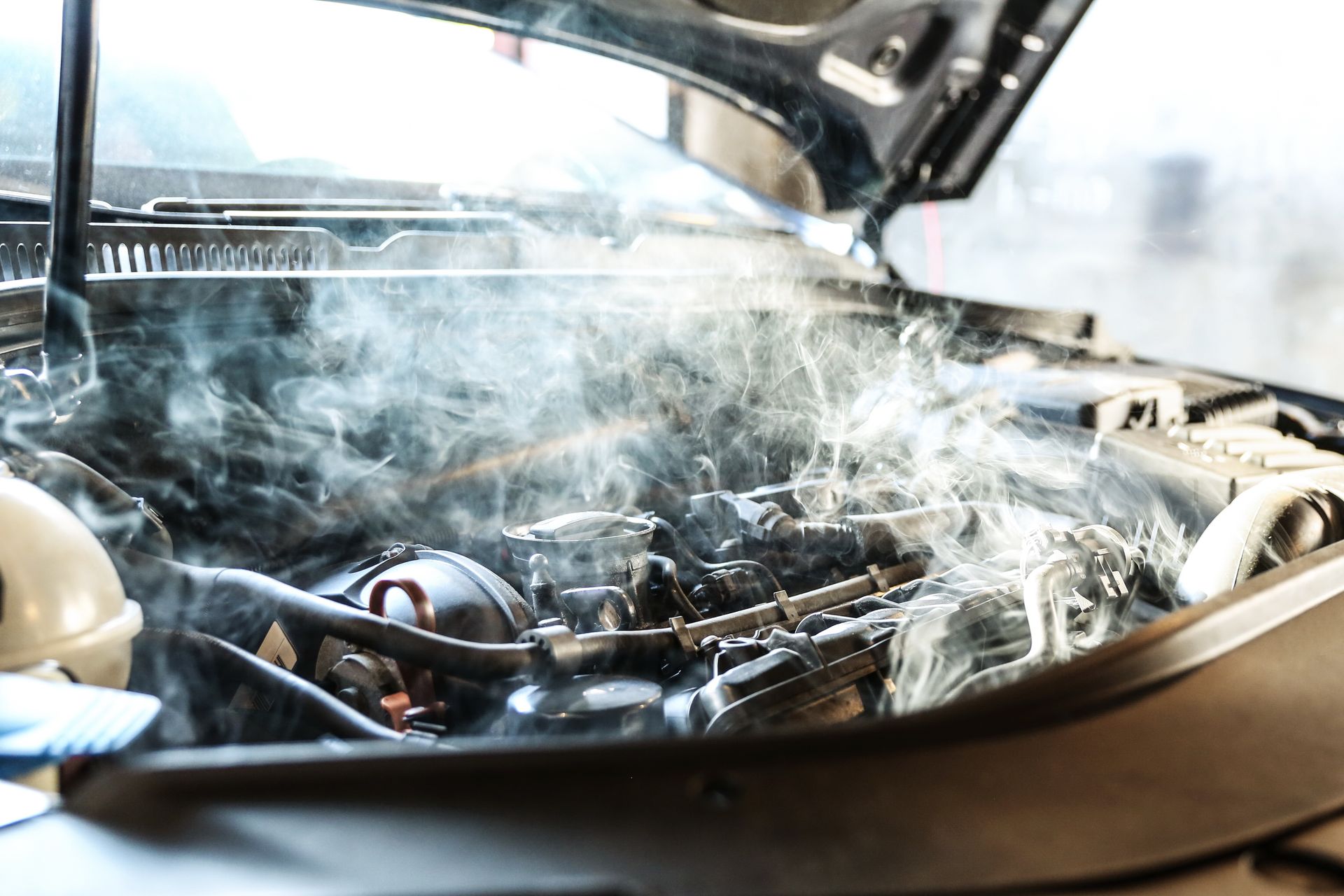
Turbochargers are not supposed to pass oil into the intake or exhaust stream, but they can if conditions are right. A worn turbo bearing, a tired seal, or excessive crankcase pressure can allow oil to slip past and burn. When that happens, you might notice a faint blue haze on startup, a little smoke after extended idling, or a hot oil smell near the back of the engine bay.
The oil return line matters too. Oil feeds into the turbo under pressure, then it must drain back to the engine by gravity. If the return line is restricted, kinked, or sludged, oil can back up in the turbo and increase the chance of seepage. It is one of those details that gets missed if you only focus on the turbo itself.
Driving Habits And Oil Choice That Change Consumption
Short trips can increase oil consumption on turbo engines because the oil does not spend much time at a stable temperature. Moisture and fuel dilution can build up, and the engine may burn off more vapors once it finally gets hot. On the other end of the spectrum, repeated hard acceleration and long boost events can raise oil temperature and increase how much vapor gets pulled through the ventilation system.
Oil choice matters as well. Using the correct viscosity and specification helps the turbo stay protected under heat and shear. A thinner oil that is not appropriate for the engine can increase consumption, and an oil that is overdue can leave deposits that make consumption worse. This is one area where regular maintenance really pays off, because consistent service helps keep the turbo oiling path clean and predictable.
When Oil Use Becomes A Problem And What To Watch
The simplest rule is to track the pattern. If you add a little oil between changes, but it stays consistent for months, it may be normal for that engine. If oil use suddenly increases suddenly, or you start seeing smoke, warning lights, or drivability changes, it is time to treat it as a problem that needs attention.
Watch for the oil level dropping faster than it used to, oil residue in the intake piping, a new oil smell after driving, or a check engine light tied to mixture or airflow. A proper inspection can look at the PCV system, check for boost leaks that affect ventilation behavior, and evaluate whether the turbo is showing signs of seepage. Catching the cause early also helps protect the catalytic converter, since burning oil over time can shorten its life.
Get Engine Maintenance And Repair In Clarence Center, NY, With Eurocharged
If you’re adding oil more often than you used to or you’re seeing signs that oil is getting into the intake or exhaust, the next step is to book service so it’s fixed correctly.
Schedule service or visit Eurocharged in Clarence Center, NY when you want the oil consumption addressed at the source and your turbo engine protected for the miles ahead.