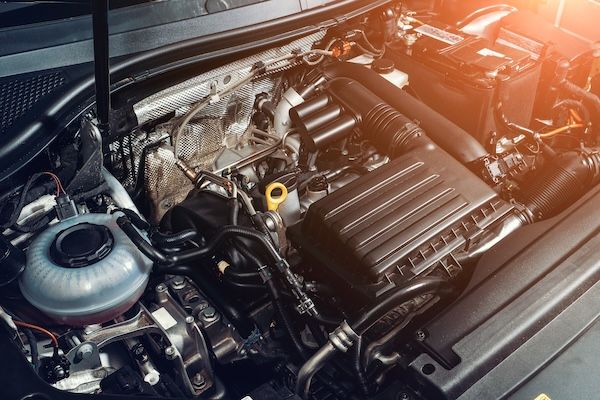

It is a beautiful summer day and you are cruising down the highway on your normal afternoon commute. Everything feels perfectly fine until your eyes glance down at the dashboard. Suddenly you notice that your temperature gauge is climbing out of the safe middle zone and marching steadily toward the bright red H at the top of the dial. A second later a glowing warning light pops up on your screen and you might even start to see a wisp of white steam drifting out from the edges of your hood.
In that exact moment your heart drops. It is incredibly easy to panic when your vehicle starts to cook itself from the inside out. At our auto repair shop we deal with the aftermath of overheated engines all the time and we always tell our customers that what you do in the first sixty seconds of an overheating crisis will dictate whether you face a minor repair bill or need a completely new engine. Let us walk through the exact steps you need to take immediately to protect your safety and save your vehicle from catastrophic damage.
The Emergency Tricks While You Find a Safe Spot
The absolute second you realize your engine is overheating your main goal is to get off the road safely. However you cannot always pull over instantly if you are in the middle of a bridge, a construction zone, or heavy highway traffic. While you are signaling and maneuvering toward the shoulder you can use a couple of rapid tricks to take some of the thermal stress off your engine block.
Turn Off the Air Conditioning System: Your vehicle's air conditioner places a massive mechanical load on the engine and forces the radiator to shed extra heat. Killing the air conditioning immediately drops the workload under the hood.
Crank the Cabin Heater to Maximum: This sounds completely miserable on a hot summer afternoon but it is a highly effective emergency tactic. Turning your dashboard heater to full blast and setting the fan to high essentially turns your cabin heater core into a second auxiliary radiator. It draws intense heat away from the engine block and blows it directly into the passenger cabin, buying you a few precious moments to find a safe exit.
Pull Over and Shut It Down
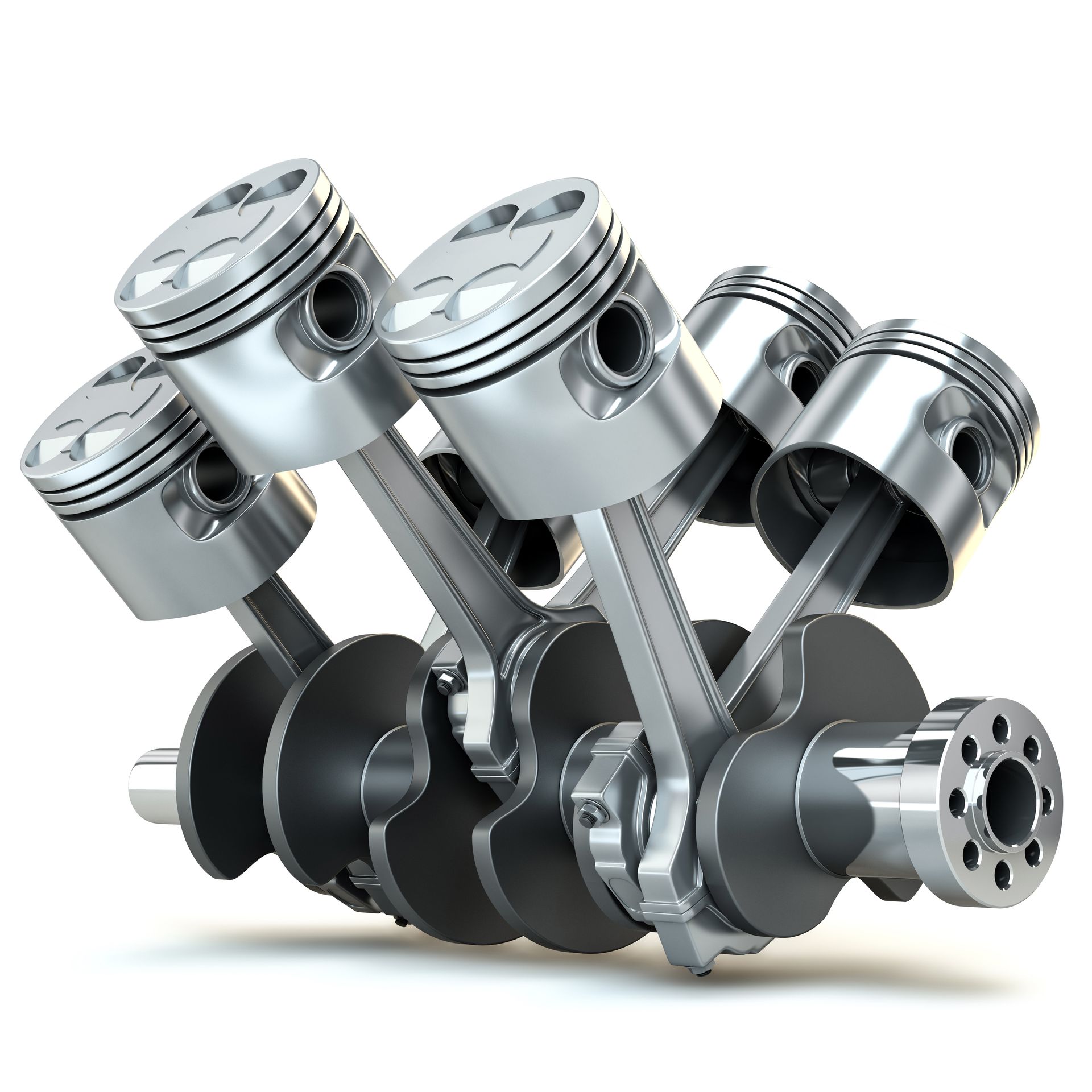
Once you find a safe wide shoulder or a nearby parking lot pull over completely and shut the engine off immediately. Do not try to limp the vehicle the last two miles to your house or scramble to find the nearest exit. Running an engine that is actively overheating can warp the aluminum cylinder head, melt delicate internal rubber seals, and crack the engine block in a matter of minutes.
Once the ignition is turned off sit quietly inside the vehicle for a moment or step safely away from the roadway behind a guardrail. You will likely hear a lot of loud bubbling, gurgling, or hissing sounds coming from under the hood as the pressurized coolant boils inside the lines. This is completely normal for an overheating machine and your only job right now is to wait patiently.
The Golden Rule: Never Touch the Radiator Cap
If there is only one piece of advice you remember from this entire guide let it be this: do not open your hood immediately and never under any circumstances touch the actual radiator cap while the engine is hot.
When an automotive cooling system overheats the liquid antifreeze inside transforms into a highly pressurized, superheated reservoir of steam and boiling water. If you twist that metal radiator cap open while the system is hot the sudden drop in pressure will cause the boiling liquid to violently erupt upward like a volcano. This can cause severe, life-altering steam burns to your face, hands, and chest.
Let the vehicle sit undisturbed for at least thirty to forty-five minutes. Only after the nose of the car has cooled down completely should you carefully pop the hood latch to look for obvious signs of trouble, such as a burst rubber hose, a broken serpentine belt, or a bright pool of green or pink coolant dripping onto the pavement.
Next Steps and What to Avoid
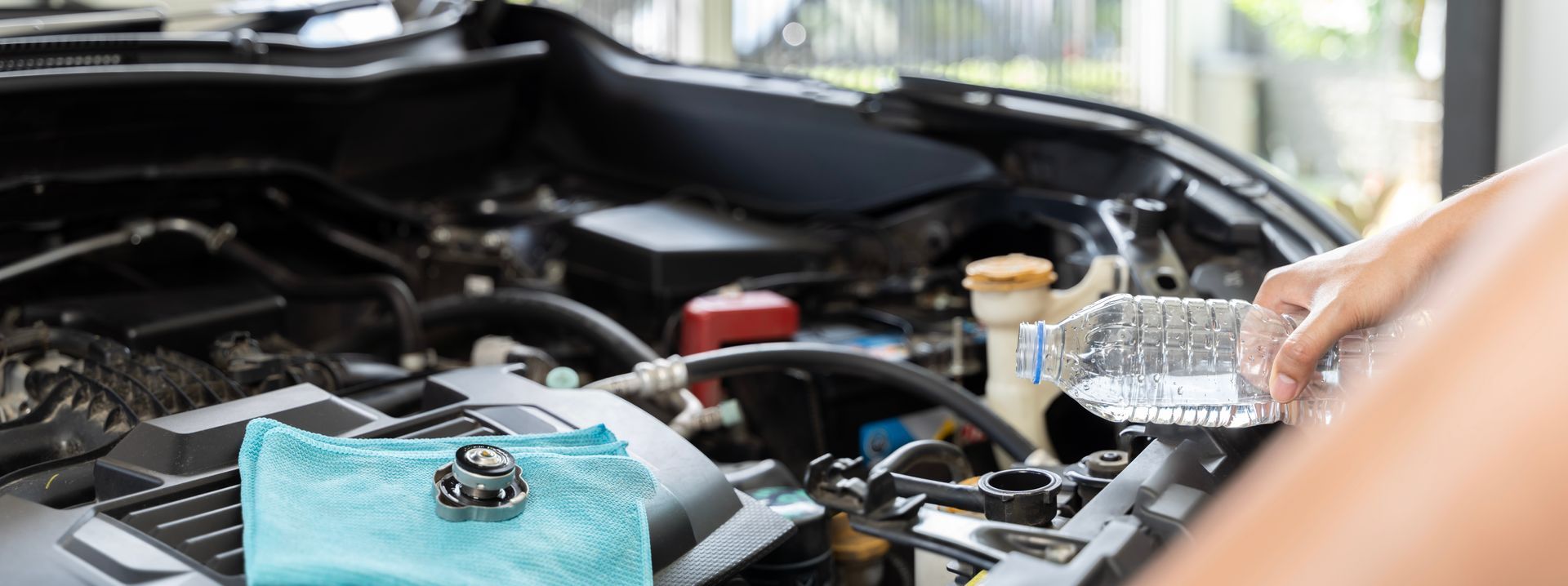
Once the machine has cooled down completely you can check the clear plastic coolant overflow reservoir. If the tank is completely empty and you happen to have a jug of fresh antifreeze or clean water in your trunk you can safely top off the reservoir.
However adding water is merely a temporary band-aid to help you move the car a short distance. It does not fix the root cause of the problem. Your cooling system is a completely sealed network, meaning it should never run low on fluid unless you have a physical leak, a failing water pump, a stuck thermostat, or a blown head gasket. Furthermore if you try to pour freezing cold water directly into a still-warm engine block the extreme temperature shock can instantly crack the cast iron or aluminum metal components.
Let Us Restore Your Cooling System Reliability
Dealing with an overheating engine is incredibly stressful, but you do not have to handle the mechanical fallout on your own. Driving a vehicle that has already overheated once is a massive gamble that usually results in permanent engine destruction. The safest and smartest move is always to call a tow truck and have the vehicle brought directly to a team of professionals who can diagnose the issue accurately.
Give Eurocharged in Lancaster, NY, a call or have your vehicle towed to our service bay today.
We look forward to helping you cool things down, protect your investment, and get back on the road with absolute confidence.