
Once the school year gets moving, a family car can rack up miles quickly. Drop-offs, sports practices, work commutes, grocery runs, and weekend activities can turn into several separate trips every day. A vehicle that had an easier summer can suddenly spend much more time starting, stopping, idling, and sitting in traffic.
That kind of schedule makes reliability especially important. The goal is not to replace parts just because September is approaching. It is to handle services that are actually due and catch developing wear before a busy weekday morning becomes a breakdown.
1. Keep Engine Oil Service on Schedule
Engine oil has to lubricate moving parts, carry away heat, and suspend contaminants every time the engine runs. Frequent short trips can be demanding because the engine may not stay at full operating temperature long enough before being shut off again.
Check where the vehicle stands in its oil-change interval before the school routine gets busy. At our shop, we also look at oil level and signs of leakage rather than treating an oil change as nothing more than draining and refilling the crankcase if the level has been dropping between services; that deserves attention before the car starts adding more daily miles.
2. Check the Battery and Charging System
A weak battery can be especially frustrating during the school year because the car may give very little warning before it refuses to start. Repeated short drives also mean the alternator has less time to replace the energy used every time the engine cranks.
Some clues are easy to overlook:
- The engine cranks slower than it used to
- Headlights dim noticeably during startup
- The clock or radio settings reset
- The vehicle needs an occasional jump-start
- Battery terminals have visible corrosion
- Electrical features behave strangely right after starting
We can test the battery's condition along with alternator output and cable connections. Replacing a battery solely because it is a certain age is not always necessary, but testing a questionable one is much better than finding out it is weak when everyone is already late.
3. Make Sure the Tires Are Ready for Daily Miles
Tire pressure can drop gradually without making the car feel obviously different. Low pressure adds heat and rolling resistance, while uneven wear can reduce grip and shorten tire life.
During an inspection, we check pressure, tread depth, sidewall condition, and wear across the full width of each tire. Inner-edge wear is easy to miss when you only glance at the vehicle from the driveway. If one tire needs air much more frequently than the others, we look for a puncture, leaking valve, or wheel problem instead of repeatedly topping it off.
Daily school driving also means more time on wet roads as the seasons change. Tires that were acceptable during dry summer weather may feel much less confident once rain becomes part of the morning commute.
4. Stay Ahead of Brake Wear
School traffic brings plenty of low-speed stopping. Even if the daily route is not very long, repeated braking through traffic lights, pickup lines, and crowded intersections adds wear over time.
We look at brake pad thickness, rotor condition, fluid level, hoses, and visible hydraulic parts. Tell us if the pedal feels different, the steering wheel shakes while braking, or you hear a new squeal or grinding sound. Those changes give us more information than mileage alone.
Brake service should be based on actual condition. Pads with useful material remaining don't need replacement just because school is starting. Still, brakes already close to their limit are worth addressing before the vehicle returns to heavy daily use.
5. Keep Cooling and HVAC Systems Working Properly
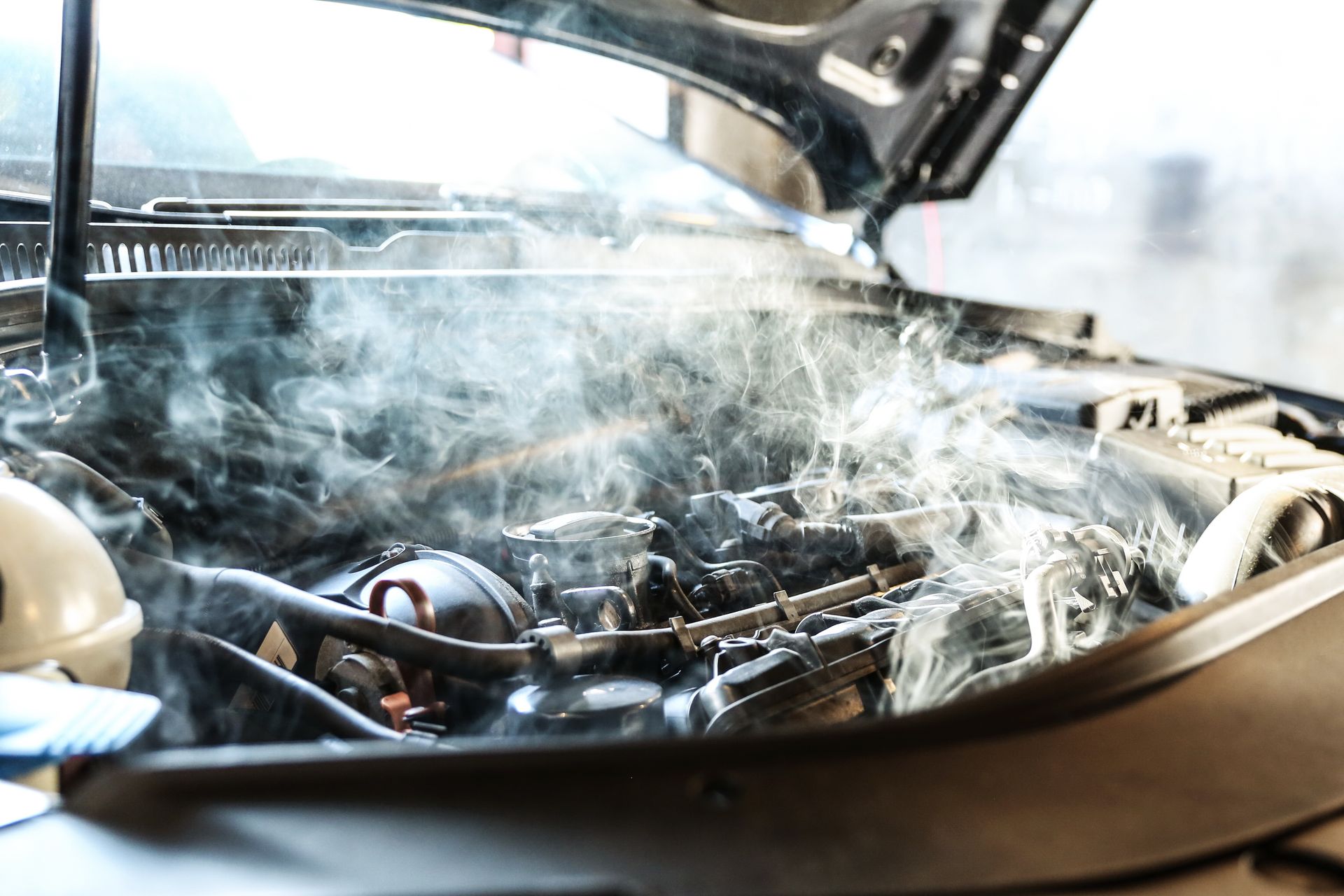
Late summer and early fall can still bring hot days, which means the cooling system and A/C may be working hard during school traffic. Coolant level, radiator condition, hoses, fans, and thermostat operation all affect how well the engine controls temperature.
The HVAC system matters for more than comfort. As mornings get cooler, the defroster needs to clear condensation from the windshield quickly. A weak blower motor, clogged cabin air filter, or airflow-door problem can make that much harder.
Regular maintenance gives us a chance to catch low coolant, aging hoses, restricted filters, and other smaller problems before they interfere with the daily routine. If the temperature gauge has been moving higher than normal or the A/C has become noticeably weaker, bring it up before assuming it can wait until next season.
Get Back-To-School Car Maintenance In Lancaster, NY, With Eurocharged
If your family vehicle is heading into another busy school year, Eurocharged in Lancaster, NY, can check the oil, battery, tires, brakes, cooling system, and HVAC operation to see what needs attention now and what can wait.
Schedule your back-to-school maintenance before the daily driving schedule gets packed.